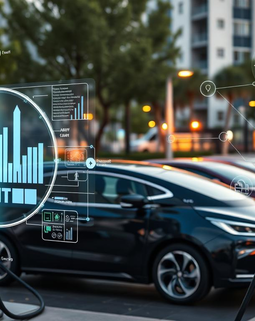


The global vehicle rental market is undergoing a significant transformation as automakers, rental operators, and mobility providers adapt to changing consumer behavior and evolving automotive technology. Car Rental Industry Trends 2026 show that success is increasingly tied to fleet efficiency, vehicle utilization, and the ability to respond quickly to shifts in travel demand.
While rental companies continue to benefit from steady leisure travel, rising operating costs, changing vehicle values, and emerging mobility technologies are creating both opportunities and challenges for the automotive rental sector.
Fleet Management Becomes the Key Competitive Advantage
One of the most important Car Rental Industry Trends 2026 is the growing emphasis on strategic fleet management. Rather than expanding fleet sizes aggressively, rental companies are focusing on maximizing the profitability of existing vehicles.
Why Fleet Efficiency Matters
Modern rental operators are prioritizing:
-
Optimized vehicle utilization rates
-
Reduced fleet acquisition costs
-
Better maintenance scheduling
-
Stronger residual value management
-
Data-driven fleet allocation
The ability to manage vehicles efficiently has become more important than simply adding more cars to rental inventories.
Rental Vehicle Supply Remains Controlled
Industry operators have reduced new vehicle purchases compared to previous years. This disciplined approach helps maintain pricing stability while avoiding oversupply in major rental markets. As a result, Car Rental Industry Trends 2026 indicate that fleet quality and vehicle mix are becoming more important than overall fleet size.
Vehicle Technology Is Transforming Rental Operations
Modern vehicles are changing how rental companies manage their fleets. Advanced safety systems, telematics, and connected-car technologies are improving operational efficiency.
Advanced Driver Assistance Systems Reduce Costs
Many newer vehicles now include:
-
Automatic emergency braking
-
Lane-keeping assistance
-
Adaptive cruise control
-
Blind-spot monitoring
-
Collision avoidance technology
These systems help reduce accident rates and vehicle downtime, improving profitability for rental operators. As vehicle technology advances, Car Rental Industry Trends 2026 suggest that maintenance costs and accident-related expenses could continue to decline.
Electric Vehicles Gain a Larger Role
Electric vehicles are becoming increasingly important in rental fleets. Although challenges remain regarding charging infrastructure and battery depreciation, EVs are gradually finding a place in the rental market.
Why Rental Companies Are Watching EV Growth
Electric vehicles offer:
-
Lower fuel costs
-
Reduced maintenance requirements
-
Improved environmental credentials
-
Access to government incentives in some markets
Many operators view EVs as an important component of future fleet strategies, particularly in urban markets where charging infrastructure continues to improve. The expansion of EVs remains one of the most closely watched Car Rental Industry Trends 2026.
Used Vehicle Market Influences Fleet Economics
The rental industry has benefited significantly from strong used vehicle values in recent years. However, automotive market conditions are beginning to normalize.
Growing Supply of Off-Lease Vehicles
A rising number of vehicles are returning from lease agreements, increasing inventory in the used-car market. This may impact:
-
Residual values
-
Fleet disposal profits
-
Vehicle replacement cycles
-
Rental company asset management strategies
Rental operators are closely monitoring these developments as they influence long-term fleet costs.
New Mobility Services Expand Beyond Traditional Rentals
The automotive industry is increasingly moving toward flexible mobility solutions rather than traditional daily rentals.
Emerging Business Models
New services include:
-
Vehicle subscription programs
-
App-based car rentals
-
Rideshare vehicle leasing
-
Fleet management services
-
Autonomous vehicle support operations
Companies are exploring multiple approaches to meet changing consumer expectations while creating new revenue streams. For automotive market insights and mobility developments across Africa and global markets, readers can explore AfricaCarGroup.
Autonomous Vehicles Create New Opportunities
Autonomous vehicle technology is creating fresh opportunities for rental operators. Rather than competing directly with self-driving fleets, many rental companies are positioning themselves as fleet service providers.
Supporting Future Mobility Fleets
Rental operators already possess the infrastructure needed for:
-
Vehicle cleaning and preparation
-
Charging and refueling
-
Fleet maintenance
-
Vehicle storage
-
Operational logistics
These capabilities could become increasingly valuable as autonomous mobility services expand.
Conclusion
Car Rental Industry Trends 2026 highlight a sector that is becoming more automotive-focused, technology-driven, and operationally efficient. Fleet management, connected vehicle technology, EV adoption, and emerging mobility services are reshaping how rental companies operate. While economic pressures and changing vehicle values remain challenges, the industry's ability to adapt to modern automotive trends positions it for continued growth. The companies that successfully balance fleet efficiency, technology integration, and customer expectations are likely to lead the next phase of mobility evolution.
Join the Conversation
Do you think electric vehicles and autonomous technology will completely transform the rental car industry in the next decade? Share your thoughts in the comments and tell us which Car Rental Industry Trends 2026 will have the biggest impact on drivers and fleet operators.