

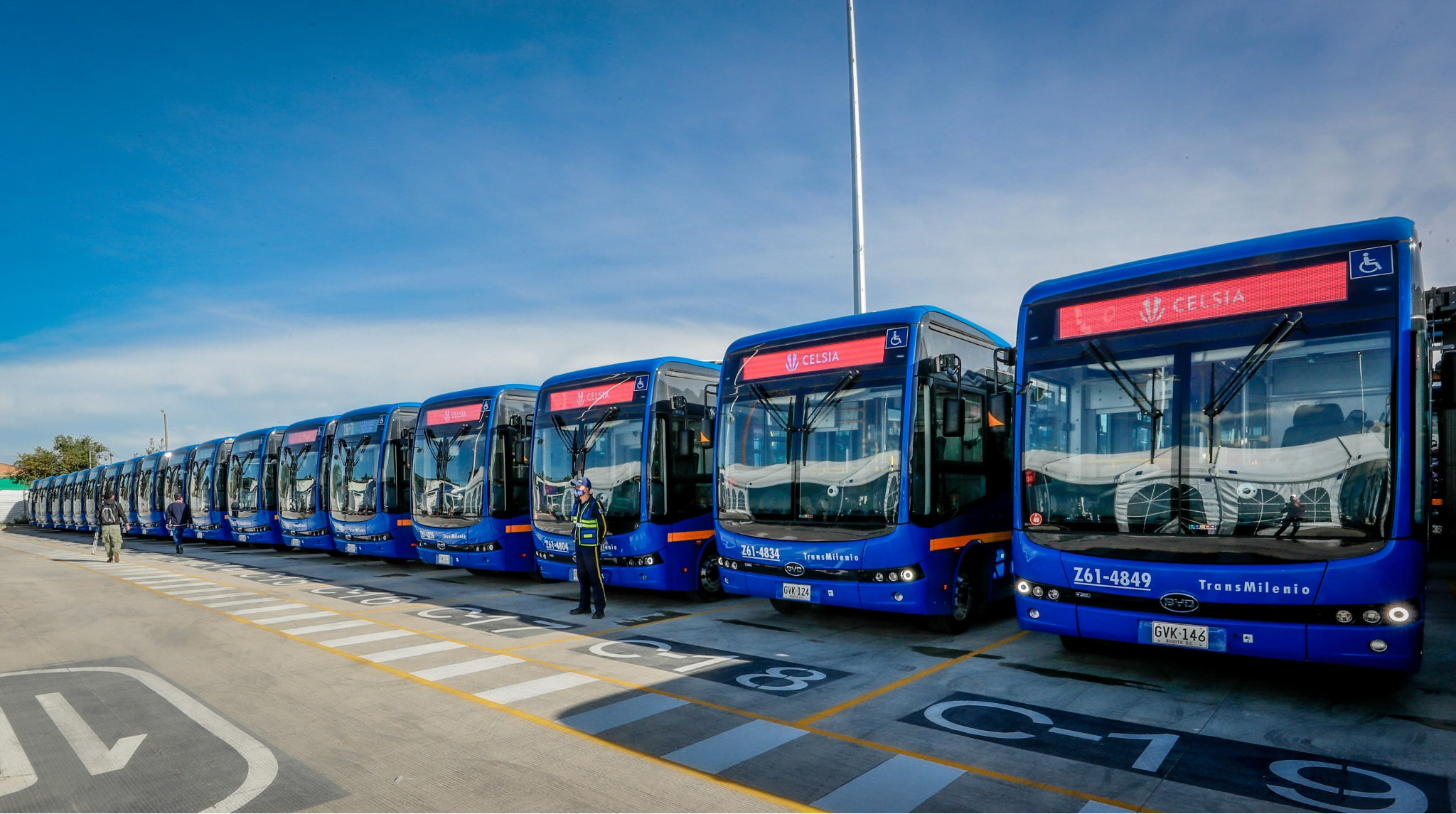
Seychelles is accelerating its transition toward sustainable transport by exploring the large-scale adoption of Seychelles electric buses as part of a long-term strategy to reduce emissions and modernize public mobility. A high-level delegation from the island nation recently visited Mauritius to learn from the country’s experience in implementing electric public transport solutions.
The meeting took place in Port-Louis and brought together key officials responsible for land transport policy and infrastructure development. The discussions focused on how Mauritius has progressed with its electrification roadmap and how those lessons can support the rollout of Seychelles electric buses over the coming years.
Both countries share similar challenges as small island states, including limited road networks, growing vehicle numbers, and increasing pressure to adopt environmentally friendly transport systems.
Learning From Mauritius’ Electric Bus Program
Mauritius has already begun introducing electric buses into its public transport network, marking a major step toward cleaner urban mobility. Officials explained that careful planning, investment in renewable energy sources, and long-term infrastructure development are essential for a successful transition.
For Seychelles, studying this experience is particularly valuable as the government prepares to expand Seychelles electric buses as a key part of its national transport policy. Electric buses are seen as a practical solution for reducing fuel imports, cutting greenhouse gas emissions, and improving air quality in urban areas such as Victoria.
Authorities in Mauritius also highlighted the importance of integrating charging systems with renewable energy sources to ensure that electrified transport remains truly sustainable. As the demand for Seychelles electric buses grows, similar strategies could help the island nation reduce dependence on fossil fuels while improving the efficiency of its public transport system.
Seychelles Plans 250 Electric Buses
During the discussions, the Seychelles delegation revealed that the government intends to introduce approximately 250 Seychelles electric buses over the next five years. This ambitious plan forms part of a broader strategy aimed at lowering national carbon emissions and upgrading public transportation across the archipelago.
However, officials acknowledged that the transition presents several technical and logistical challenges. One major concern is whether the national electricity grid can handle the additional demand created by charging hundreds of electric buses, especially during peak hours.
Infrastructure development is also critical. The success of Seychelles electric buses will depend on the creation of a reliable charging network capable of supporting daily operations for public transport fleets. Without adequate charging stations and maintenance facilities, the rollout of electric buses could face delays.
Unique Challenges of Island Transport
Seychelles also faces geographical challenges that must be considered in the electrification strategy. The country’s mountainous terrain and narrow roads create operational complexities for public transport systems, especially when introducing larger vehicles like electric buses.
These factors make knowledge sharing with Mauritius especially valuable. By studying how another island nation manages electric bus fleets, Seychelles can better design solutions tailored to its own terrain and transport patterns.
At the same time, authorities recognize that expanding Seychelles electric buses could help reduce traffic congestion caused by the growing number of private vehicles on the islands. Encouraging more residents to use public transport would support both environmental and mobility goals.
For wider coverage of mobility developments across Africa and island regions, platforms such as <a href="https://africargroup.com/our-portals/">AfricaCarNews</a> continue to highlight key trends shaping the automotive and transport sectors.
Moving Toward Sustainable Island Mobility
The cooperation between Mauritius and Seychelles reflects a growing regional commitment to cleaner and more efficient transportation systems. As governments look for ways to balance economic growth with environmental protection, investments in electric public transport are becoming increasingly important.
If successfully implemented, Seychelles electric buses could transform how residents and visitors move around the islands while supporting the country’s climate goals.
Do you think electric buses are the best solution for public transport in island nations like Seychelles? Share your thoughts in the comments and join the conversation about the future of sustainable mobility!