

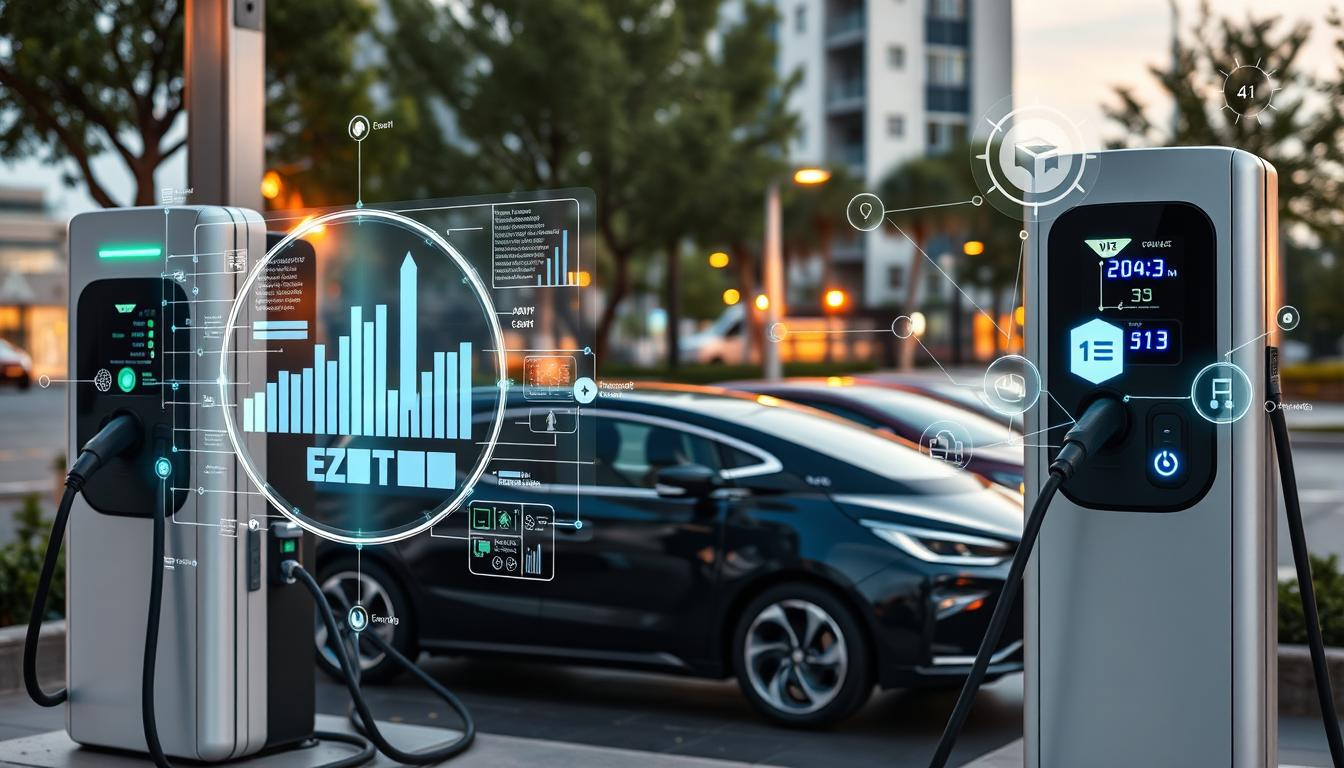
The breathtaking archipelagos of the Indian Ocean present a beautiful yet highly destructive environment for modern automobiles. For electric vehicles (EVs) operating in these remote, sun-drenched areas, the relentless daily exposure to heavy ocean moisture and airborne salt creates a unique, uncompromising mechanical nightmare. Solving the complex equation of Seychelles EV Durability is absolutely critical for the long-term success of sustainable transport across similar coastal regions. Without highly specialized engineering and rigorous defense mechanisms, the harsh coastal climate will rapidly degrade sensitive electrical components and destroy vehicle chassis, rendering expensive green investments completely useless.
The Threat Of Saline Corrosion On Electric Vehicles
In any tropical maritime climate, the combination of high ambient heat, intense humidity, and continuous ocean spray creates a highly conductive atmospheric soup. This specific environment aggressively accelerates galvanic corrosion at an alarming rate. For traditional combustion cars, rust is primarily an aesthetic and structural issue, but for modern electric vehicles, it acts as a catastrophic safety hazard. Achieving true Seychelles EV Durability means completely shielding high-voltage wiring harnesses, lithium-ion battery casings, and delicate electronic control units from microscopic salt particles that can easily trigger fatal electrical short circuits and sudden power failures.
Advancing Coastal Battery Protection
To combat these extreme environmental stressors, global automotive engineers are actively redefining Coastal Battery Protection. Standard factory battery enclosures are frequently being upgraded utilizing heavy-duty, anti-corrosive polymer composites and advanced aluminum alloys instead of traditional stamped steel. Furthermore, specialized dielectric conformal coatings are heavily applied directly to internal printed circuit boards. This meticulous level of Saline Corrosion Resistance ensures that even if microscopic moisture somehow penetrates the outer protective shell, the vital power electronics remain perfectly insulated. Improving Seychelles EV Durability heavily relies on these advanced internal sealants to actively prevent sudden, heat-induced battery degradation and chemical leaks.
Implementing Marine Grade Rustproofing
Protecting the exterior chassis and exposed undercarriage is equally important for long-term survival. Island-based fleet operators and independent daily drivers must proactively invest in robust Marine Grade Rustproofing before their vehicles ever hit the coastal roads. This process involves thoroughly spraying thick, hydrophobic polyurethane barriers across the entire underside of the vehicle, effectively sealing the raw structural metal away from the relentless, salty ocean mist. By locking out the corrosive moisture, operators drastically improve Seychelles EV Durability and successfully prevent dangerous structural degradation along the vehicle’s vital suspension linkages and steering geometries.
Enhancing Tropical Automotive Maintenance
Technology and chemical barriers alone cannot permanently defeat the corrosive power of the ocean. Consistent, preventative Tropical Automotive Maintenance is the final, absolutely essential layer of mechanical defense. Drivers must establish a strict, uncompromising routine of frequently washing their EVs with high-pressure fresh water. This process thoroughly dissolves and flushes away accumulated, highly corrosive salt deposits from hidden underbody crevices, brake calipers, and deep within the wheel wells.
For automotive designers, commercial fleet managers, and transit investors wanting to continuously track the latest breakthroughs in regional climate adaptation, green energy development, and Island Nation EV Engineering, exploring the expert daily insights at AfriCarNews is highly recommended.
Building A Future Of Island Nation EV Engineering
Ultimately, mastering the incredibly complex science of Seychelles EV Durability provides a highly valuable, replicable technical blueprint for other coastal regions worldwide. By intelligently combining advanced dielectric coatings, robust physical chemical barriers, and meticulous preventative care, island communities can confidently transition to reliable zero-emission mobility. Proving that Seychelles EV Durability can successfully withstand the ocean's absolute harshest elements guarantees a brilliantly clean, deeply sustainable economic future for global coastal transport.
What do you think is the biggest mechanical challenge of owning an electric vehicle on a tropical island? Have you ever dealt with extreme rust on your own car? Share your coastal maintenance tips, questions, and green transport ideas in the comments below!