
The Seychelles, known for its pristine beauty and commitment to sustainability, faces a distinct transport challenge on its main islands of Mahé and Praslin: Urban Congestion exacerbated by narrow, winding roads and limited parking, particularly in the capital, Victoria. Private vehicle dependency for short trips remains high, which is counterproductive to the nation's environmental goals. However, the archipelago is actively embracing Micromobility Solutions, with electric scooters emerging as a transformative answer for both residents and the vital tourism sector.
This transition is moving rapidly, with new E-Scooter Rental services planned for rollout in 2025, signaling a commitment to a cleaner, more efficient transport future.
E-Scooters: The Ideal Micromobility Solutions
Electric scooters are perfectly suited to the Seychellois landscape and travel patterns, offering efficiency and environmental benefits that traditional vehicles cannot match.
1. Solving Last-Mile Connectivity
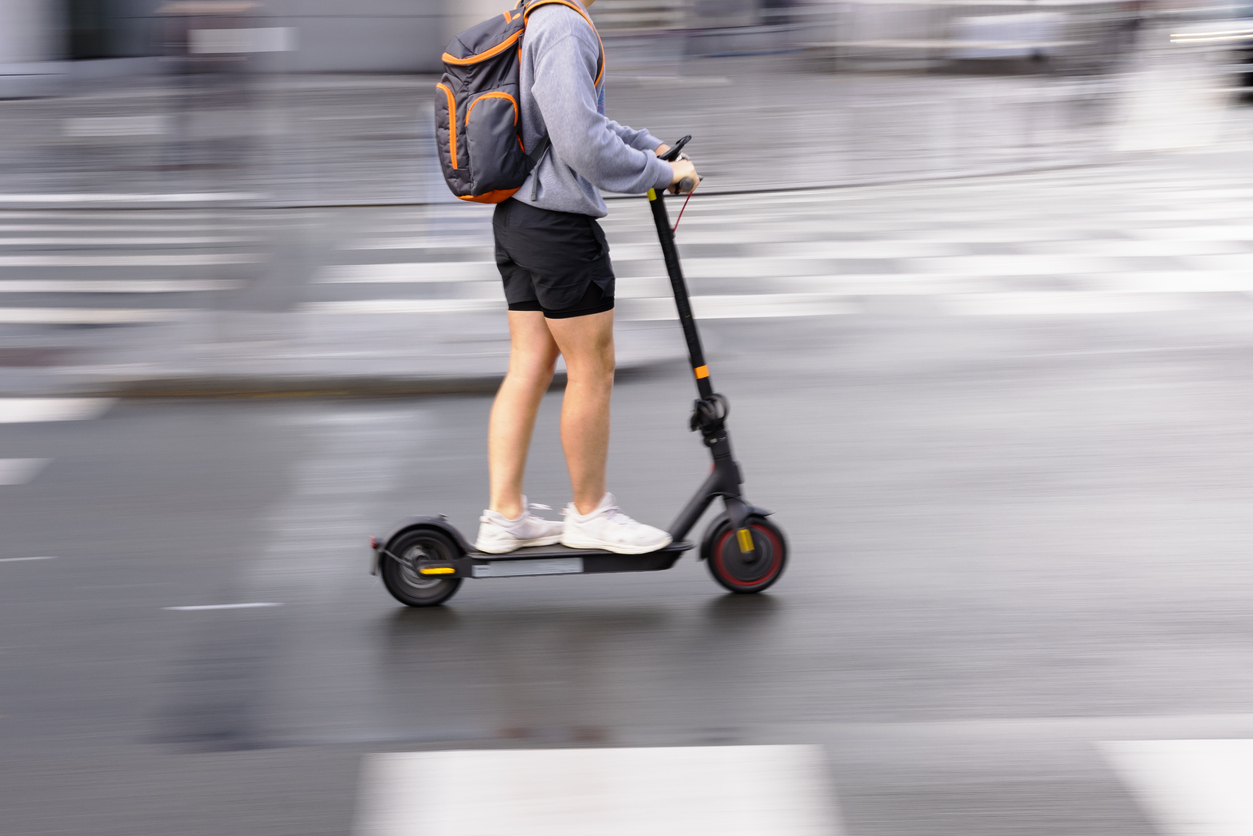
The typical trips around Victoria or between hotels and local beaches are often too far to walk comfortably but too short to justify driving a car. E-scooters offer ideal Last-Mile Connectivity—providing a clean, quick, and convenient option for distances typically between 1 and 5 kilometers. For tourists, they offer an engaging and environmentally friendly way to explore, supporting the nation’s Sustainable Transport image. For residents, they provide a simple tool to navigate congested areas and reach public transport hubs.
2. Combating Urban Congestion
By offering a viable alternative to single-occupancy cars for short trips, the widespread adoption of Micromobility Solutions can significantly alleviate pressure on the limited road network and parking spaces. Each scooter trip that replaces a car trip contributes directly to reducing Urban Congestion and the associated air and noise pollution in dense areas.
Overcoming the Tropical and Regulatory Hurdles
While the concept is powerful, implementing e-scooters in the Seychelles requires overcoming specific challenges related to the environment and infrastructure.
3. Tropical Adaptation and Durability
The high humidity and tropical temperatures of the Seychelles pose a unique engineering challenge for electric vehicles. Battery systems and electronics, often designed for milder climates, must be modified to withstand corrosive salt air and intense heat. New providers, such as the company WATT SCOOT, are actively modifying their liquid-cooled models to ensure Tropical Adaptation and long-term durability, a critical factor in the success of the planned E-Scooter Rental services across Mahé and Praslin.
4. The Need for Infrastructure and Regulation
For Micromobility Solutions to succeed, clear regulations and supporting infrastructure are essential. This includes establishing dedicated lanes (where feasible, alongside existing bicycle paths) and clear rules regarding sidewalk usage, speed limits, and parking zones. Without a well-defined regulatory framework, safety concerns and conflicts with pedestrians can hinder adoption. This is particularly important for managing the balance between the fun, hedonic appeal of e-scooters and the necessity of responsible operation within a small urban environment.
The introduction of organized E-Scooter Rental services and the focus on Tropical Adaptation position the Seychelles to lead the way in adopting Sustainable Transport solutions for island nations. For more information on electric vehicle technology and sustainable transport options in emerging markets, resources like Auto24 are useful.
Which is the greater immediate challenge to the successful launch of e-scooters in Seychelles: ensuring Tropical Adaptation and technical reliability, or managing the Urban Congestion caused by integrating these new Micromobility Solutions onto limited roads? Share your thoughts below!